

“When people feel genuinely valued, they channel that energy into building stronger relationships, crafting better products, and driving meaningful innovation.”
Angela Heyroth
Angela Heyroth is a talent management expert and founder of Talent Centric Designs, winner of the Universal Kindness Awards 2025 Intergenerational Kindness Award. She believes that when employees feel truly valued, they contribute to stronger relationships, better products, and innovation. In this interview, she shares her insights on fostering people-first workplaces and building strategies that drive organizational success.
Angela, thank you for joining us! Could you introduce yourself in your own words? We’d love to hear about your journey, your background, and what led you to focus on talent-centric workplace design.
I am a talent management expert with a 25-year track record architecting engaging experiences, processes, and teams across the entirety of the talent lifecycle. For most of that time, I’ve been in corporate leadership roles and for the last five years, I’ve been running my own consultancy, Talent Centric Designs, coming alongside HR and Operations leaders to craft and advise on talent strategies that create thriving organizations from a people-centric lens.
What led me here was my passion as a child to become an architect, drawn to the idea of creating beautiful, functional spaces for people. As a teenager, I began to become aware that I could apply that desire and my skill in strategic design to organizations, by focusing on building talent programs that centered on people. Throughout my career, I’ve honed a deep-seated belief that when you prioritize people, you unlock unparalleled potential for success, both for the individuals and also the organizations that employ them.
So, my consultancy Talent Centric Designs is the culmination of my journey—a way to partner with organizations to architect environments where people can flourish and businesses can excel.
You’ve built a career around transforming the employee experience. What inspired your passion for talent management, and how has your perspective evolved over the years?
Early in my career, I recruited for technical talent right when the need was acute – before the Y2K global experience. For the next several years, as I recruited not only technical talent but also financial professionals, salespeople, executives, and others, I started seeing the power of aligning talent strategies and organizational goals with talent attraction and talent acquisition efforts.
And so I transitioned from talent acquisition to organizational development and I began to see the broader picture—how every touchpoint in the talent lifecycle, from hiring and onboarding to leadership development and engagement, contributes to a cohesive and impactful employee experience that leads to organizational success. I saw that the more we grew and retained people, not just hired them, it was genuinely transformative for them and for the organization, and my perspective began to be shaped that an interconnected, intentionally built employee experience is how organizational performance and profitability accelerate.
As I continued to integrate talent acquisition into talent management, I solidified my belief that when organizations invest in their people, they are investing in the success of their business. It’s this conviction that drives me today.
Your work emphasizes that a “talent-centric lens is the ultimate multiplier of success.” Can you share an example where a company truly embraced this philosophy and saw remarkable results?
One example that stands out is when I led a team to rethink the traditional employee engagement survey. Initially, I questioned whether we even needed a survey, as we already had robust HR analytics to measure key indicators like retention and productivity. However, through thoughtful discussions with my team, we realized that the true value of a survey wasn’t just in the data, it was in giving employees a voice.
We transformed the engagement survey into an “Employee Voice Survey,” focusing on capturing real sentiment about the employee experience, connection to culture, and feedback on pressing issues. We paired this with a meta-index of analytics to provide a comprehensive view of engagement. Most importantly, we shifted our approach to action planning, creating a menu of small, meaningful steps that leaders could take immediately to address employee feedback.
This blended approach was game-changing. It not only provided better data for leadership but also fostered a culture where employees felt heard and valued. Over time, these small actions added up to significant cultural transformation, proving that listening and acting on the employee voice is one of the most powerful ways to drive engagement and organizational success.
Generational diversity in the workplace is more pronounced than ever. How can leaders move beyond stereotypes to truly understand and appreciate what drives different generations?
I find that we tend to lean into stereotypes when we do not truly understand. So in my talks about generations and how to engage across the generations, I focus on first understanding what motivates each generation. While often the stereotypes prove true – like Gen X really is vastly more independent and brash than the other generations – understanding where that came to be based on how we grew up changes people’s perceptions and leads to understanding and empathy. Once we really understand not just the “what” but the “why” behind generational preferences, we can intentionally create workplaces with agility and inclusivity at their core, respecting the unique contributions of each person, across all generations. It starts with curiosity and active listening and includes a real desire to understand and improve.
You’ve spoken about bridging generational gaps by focusing on commonalities. What strategies have you found most effective in fostering mutual understanding and engagement across age groups?
In my experience, one of the most powerful strategies is cultivating shared experiences that emphasize common values and desires. For instance, all generations want some sort of balance with their lives. How they define that and how they achieve it may be different, but if we focus on what we have in common first, instead of all our differences, we can build bridges and foster understanding across age groups while creating programs and processes we all appreciate.
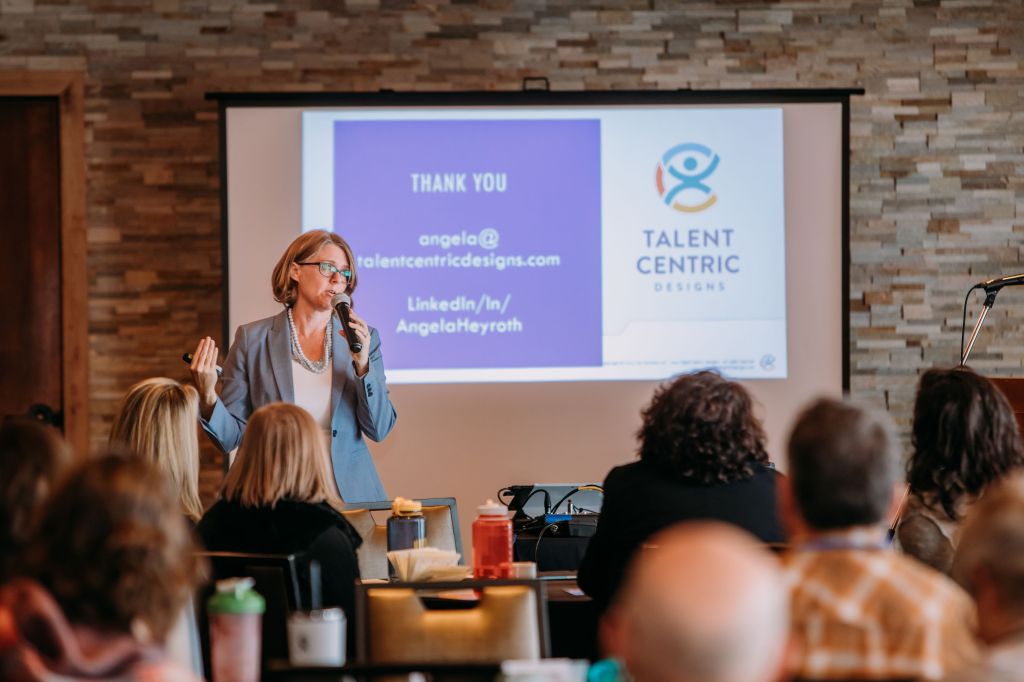
Beyond generational differences, what are some of the biggest challenges companies face in building a people-first workplace, and how do you help them navigate these obstacles?
One of the biggest misconceptions I encounter is the idea that creating a people-first workplace is inherently difficult, expensive, or at odds with profitability. In reality, the opposite is true. Employee engagement and experience don’t require extravagant budgets, they require intentionality. Simple, thoughtful strategies that resonate with employees can yield profound results.
Moreover, prioritizing people isn’t a cost; it’s an investment that accelerates profitability. Engaged employees are more innovative, committed, and productive, which directly impacts a company’s bottom line. My role is to help organizations shift their mindset and design scalable, cost-effective solutions that prove investing in people is the fastest path to sustained success.
In addition to leading Talent Centric Designs, you also teach at the University of Denver. What’s the most valuable lesson you share with your students about building impactful, inclusive workplaces?
As an instructor at the University of Denver, I aim to equip my students with both the knowledge and the mindset to become impactful leaders in talent management. One of the most valuable lessons I share is that talent management is not about a “thing,” it is a philosophical approach to business that drives results. I want them to know that HR and talent management are not “soft,” they belong in business along with all the other professions. My goal with my students is to inspire them to speak about business impact and organizational success through the lens of people and to recognize that these elements are not “nice to have” but are a “must have.”
You’ve received multiple recognitions for your contributions to HR and talent development. Could you share some of the awards and milestones that have been especially meaningful to you?
While the awards I’ve received are deeply meaningful, what truly stands out to me is what they symbolize, a recognition of the countless teams and individuals whose lives were impacted through my shared work. Each milestone represents not just an achievement, but a collective commitment to excellence in talent development.
One of your most recent honors is being named a winner of the Universal Kindness Awards. What does this recognition mean to you, and how do you see kindness shaping the future of workplace culture?
Being named a winner of the Universal Kindness Awards is an honor that deeply resonates with my core philosophy: that people are valuable not as assets to an organization but because they are humans with dignity and worth. This recognition highlights the transformative power of creating environments where kindness isn’t just an ideal but a lived value. I operate from the belief that kindness, when embedded in organizational practices and experiences, becomes a multiplier for success. When people feel genuinely valued, they channel that energy into building stronger relationships, crafting better products, and driving meaningful innovation. Kindness fuels engagement, which propels both individual and organizational performance.
This award affirms my commitment to fostering talent-centric experiences that not only drive results but also elevate humanity in the workplace. I see kindness as a cornerstone for shaping the future of workplace culture, where people thrive, businesses excel, and the ripple effects extend far beyond the office walls.
Finally, if you could give one piece of advice to organizations looking to build stronger, more engaged teams—across all generations—what would it be?
My advice to organizations is to adopt a talent-centric lens as their guiding principle. Seeing your business through a talent-centric lens changes everything. It’s about intentionally creating experiences that attract, grow, and engage your people, knowing that each of these touchpoints compounds into greater results. When people feel valued, they repay that value tenfold—fostering stronger relationships, driving innovation, and improving profitability.
Leaders who prioritize their people and embrace the power of intentionality will see their teams flourish. This means listening actively, adapting thoughtfully, and designing workplaces where every voice matters.
Not every company may have – or need – a team focused on this work, but by partnering with people like me, they can all experience the benefit of it, which is sustainable success.
Bio
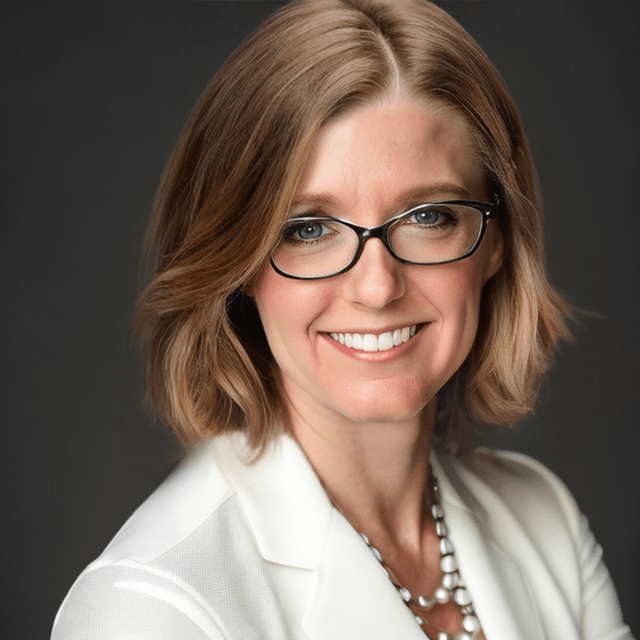
I am a talent management expert who has led and transformed teams at some of the world’s most successful companies. With a passion for creating and enhancing the employee experience, I bring a 25 year track record of architecting and implementing programs across every aspect of the talent lifecycle, from attracting and hiring top talent, to developing and retaining high-performers, to engaging and inspiring them to achieve their full potential and engage with the organization. As a trusted advisor and a culture champion, I now partners externally with organizations as the Founder and Principal of TALENT CENTRIC DESIGNS, shaping their talent strategy and designing their talent programs to align with their vision and values, all to further their organization’s performance. I am also on faculty with the University of Denver, teaching talent management and organizational design in the Masters of HR graduate program. I have an MBA and hold several certifications including as a Gallup Strengths Coach. I live in Denver, Colorado, USA with my husband, son, two cats, and several fish.
“Leaders who prioritize their people and embrace the power of intentionality will see their teams flourish.”
Angela Heyroth
Links
Related

Purpose-driven Insights: Bridging Generations, Building Connections
Every generation has different expectations, abilities, and viewpoints, but these distinctions can occasionally cause miscommunications or gaps in teamwork. In this roundup, leaders share how to bridge the generational gaps.
Keep reading
Announcing the Winners of the Universal Kindness Awards 2025
Let us congratulate the recipients of the Universal Kindness Awards 2025, honouring individuals and organisations who exemplify the power of kindness, compassion, and positive impact.
Keep readingAbout Heart to Heart
Heart to Heart is HeartBeat’s interview series that features candid conversations with inspirational people who are truly changing the world. From social entrepreneurs and grassroots activists to organization founders and community leaders, every conversation goes deeply into the experiences, difficulties, and driving forces behind their influential work.
We examine the tales, knowledge, and useful thoughts that motivate these changemakers in Heart to Heart, providing readers with new insights and doable strategies for bringing about constructive change in their own lives. Come hear thought-provoking discussions that honor the strength of empathy, community, and purpose-driven action.
Share your insights
We’d love to hear your thoughts! Join the conversation by sharing your insights in the comments:
- What part of this interview resonated with you the most?
- What’s one key takeaway you found inspiring or thought-provoking?
- How do you apply similar values or lessons in your own life or work?
Let’s keep the discussion going! 🚀
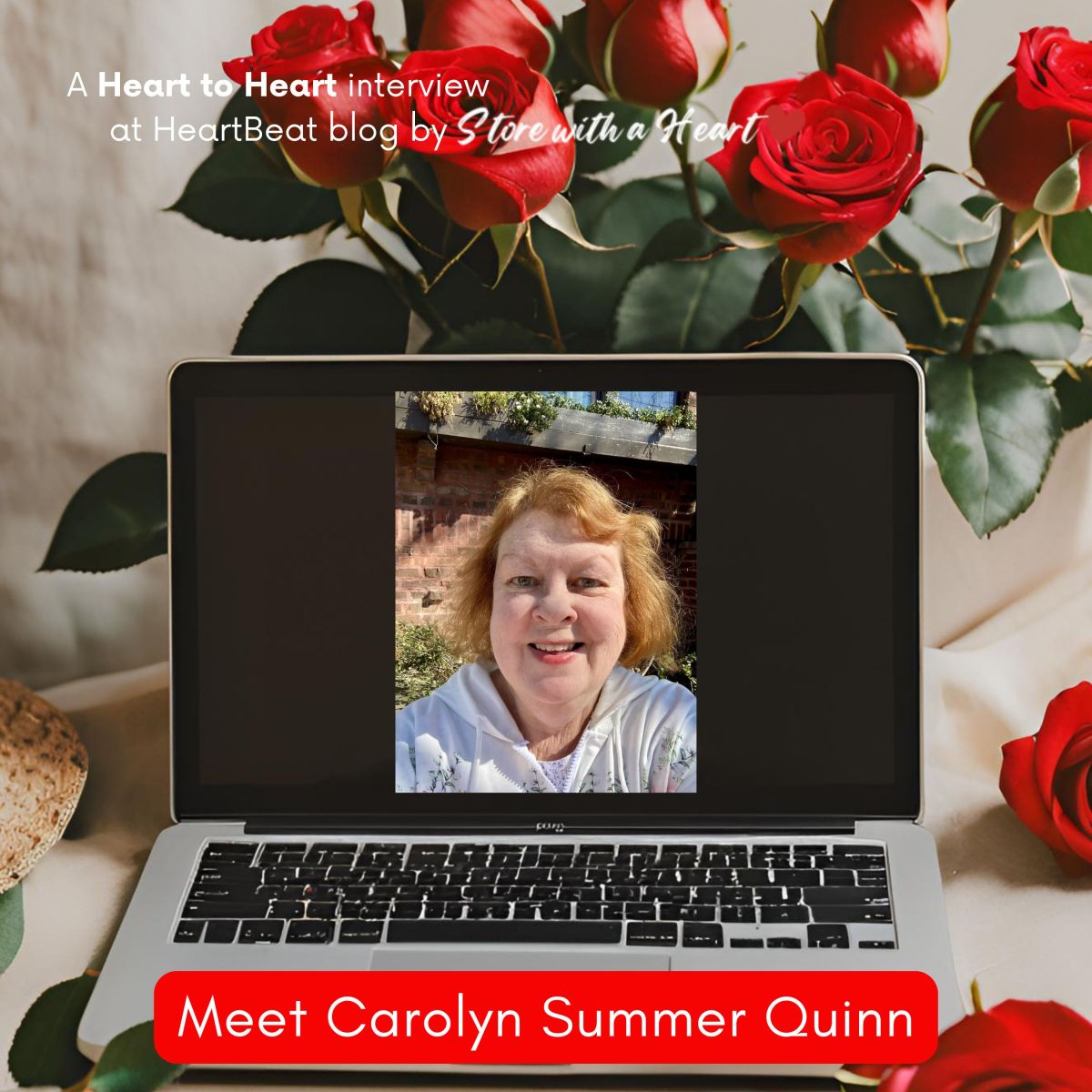
Heart to Heart: Crafting Stories with Heart with Carolyn Summer Quinn
What drives a writer to create stories that not only entertain but also inspire? Carolyn Summer Quinn reveals how her writing, shaped by personal experiences, aims to make a meaningful difference. Read on to discover more.
Keep reading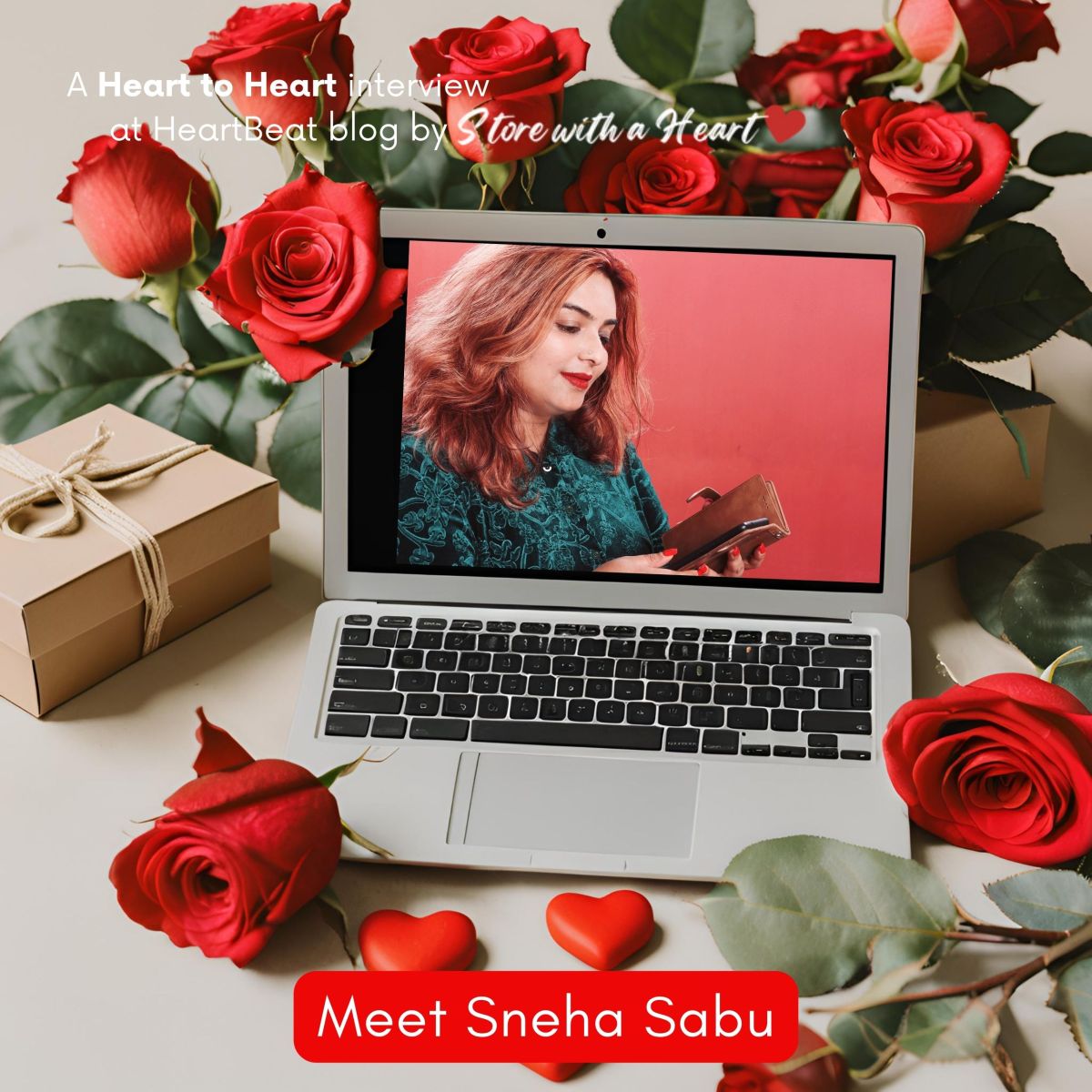
Heart to Heart: Sneha Sabu on Empowering Communities and Inspiring Change
Have you ever felt like a guinea pig in a lab experiment—constantly testing, evolving, and discovering your potential? In this interview, you’ll uncover how passion, strategy, and resilience shape meaningful change. Read on!
Keep readingDisclaimer
The content on HeartBeat, a blog by Store with a Heart, is intended for informational and entertainment purposes only. The views expressed by authors and contributors do not necessarily reflect those of Store with a Heart. While we strive for accuracy, we do not guarantee the completeness, reliability, or validity of any information shared. None of HeartBeat‘s write-ups are paid for by any of the individuals, organisations, or brands mentioned. Any ads or sponsored posts are clearly marked as such. For more details, please review our Full Disclaimer, Privacy Policy, and Terms of Service.
HeartBeat Links
Here are shortcuts to our content:
- Book Review Requests
- Book Review Requests Step 3
- Books with a Heart
- Content Submissions
- Editorial Team and Guidelines
- From the Heart: Stories, Reflections, and Inspiration for a Kinder World
- Heart to Heart: Inspiring Action, One Interview at a Time
- HeartBeat: Your Pulse of Positivity
- Important Announcement
- Memorabilia
- Memorabilia for Award Winners
- Our Blog’s Disclaimer
- Our Blog’s Privacy Policy
- Our Blog’s Terms of Service
- Purpose-driven Insights
- The Difference Makers
- Universal Kindness Awards Nomination Form Step 1 and Step 2
- Universal Kindness Awards Paid Nominations, Sponsorships, and Other Forms of Financial Support for the Awards
- Universal Kindness Awards Policy for Reporting on Awardees and Minimum Nominee Criteria
- Universal Kindness Awards Supporters
- Universal Kindness Awards – Nomination Policies
- Voluntary Contribution Policy
- Winners of the Universal Kindness Awards
Nominate for the Universal Kindness Awards

We are accepting nominations all year round. It’s free to repay kindness with kindness. There’s no cost to make a submission (unless you choose to voluntarily pay for the nomination and help pay it forward). Nominate a difference maker today!
❤️❤️❤️❤️❤️
Our Collective Impact
To know how our entire global community of generous individuals and participating platforms has been making a difference, click here.
❤️❤️❤️❤️❤️
Visit Store with a Heart‘s online shop today!
Make a difference with every carbon-neutral gift that makes a difference. Check out our products and services. As you are one of our valued community members, you can use the code SWAH10 to get your 10% discount on every purchase you make.
“No act of kindness, no matter how small, is ever wasted.” – Aesop
Copyright © 2020-2025 Store with a Heart®: Making a Difference. All Rights Reserved.
Discover more from HeartBeat Blog by Store with a Heart
Subscribe to get the latest posts sent to your email.
 HeartBeat Blog by Store with a Heart